About the Homelessness Partnership BCP

About the Homelessness Partnership BCP2026-04-09T15:13:36+01:00
Homelessness Partnership BCP

The story so far… About the Homelessness Partnership BCP

The Homelessness Partnership BCP brings together more than 40 local organisations to end homelessness in Bournemouth, Christchurch and Poole by ensuring everyone has a safe place to call home.

Since our formation in 2019, the Homelessness Partnership BCP have been working to bring hope to people in crisis and helping to transform their lives for the better. Through collaboration, early intervention initiatives are successfully preventing people from falling into homelessness, while helping those who have experienced the trauma of rough sleeping to rebuild their lives in safe accommodation.

How we work

The Homelessness Partnership BCP brings together local organisations across Bournemouth, Christchurch and Poole to prevent and respond to homelessness in all its forms, including rough sleeping, sofa surfing and unsuitable temporary accommodation.

We take a proactive, preventative approach, working collaboratively with partners across housing, health, voluntary and statutory services to stop people from becoming homeless and to support those experiencing crisis to keep a safe and secure roof over their heads.

Our partnership is focused on delivering practical, long‑term solutions that prevent homelessness while increasing public understanding of the complex and interconnected causes that can lead people into housing insecurity.

By generating and distributing funding, the Homelessness Partnership BCP empowers local services to respond effectively, reducing the impact of homelessness on individuals, families and communities across the BCP area.

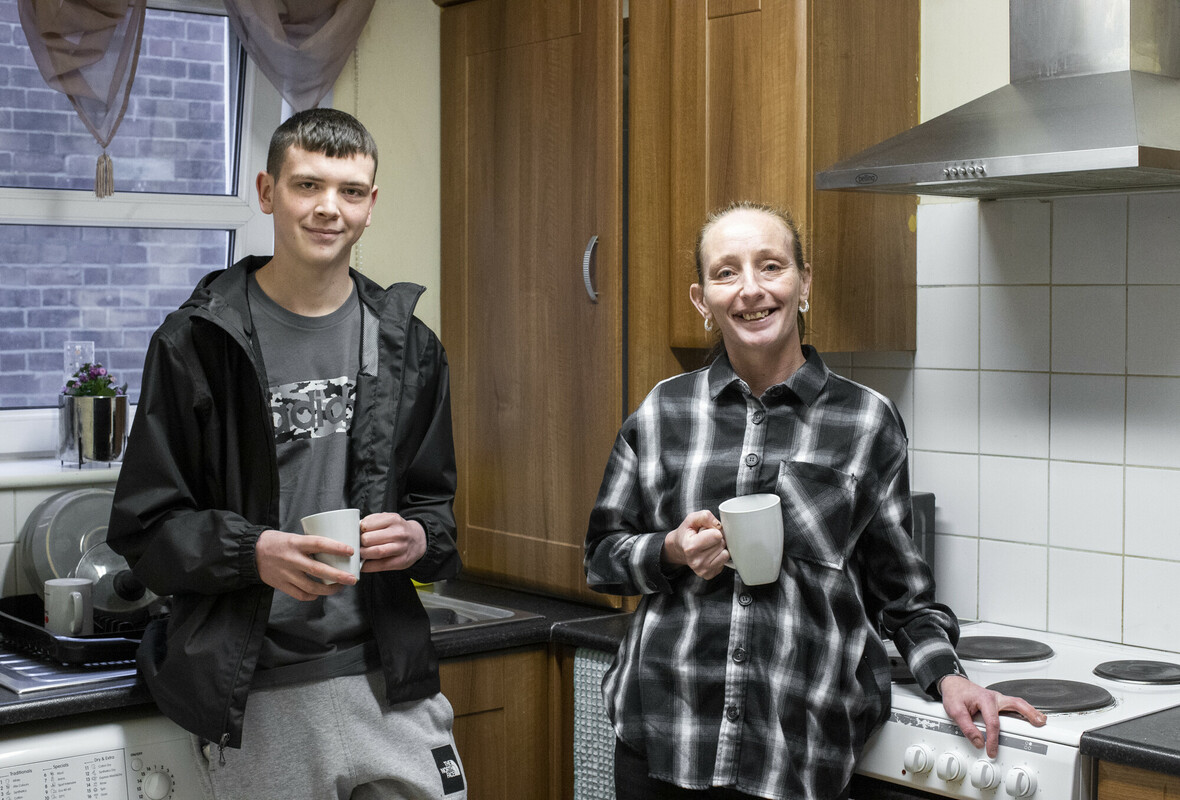
A young family in temporary accommodation

Image credit: Centre for Homelessness Impact / Liam McBurney / PA

FAQs

What are the different forms of homelessness and how do people find themselves in this situation?2026-05-14T10:35:36+01:00

Homelessness isn’t one single experience. It can look different for different people, and it’s often shaped by circumstances beyond someone’s control. Common forms of homelessness include:

  • Rough sleeping: sleeping outdoors or in places not meant for living, such as cars or doorways
  • Sofa surfing: staying temporarily with friends or family without a secure place of your own
  • Temporary accommodation: living in hostels, refuges, B&Bs, or emergency housing
  • Hidden homelessness: living in overcrowded, unsafe, or unsuitable housing, often at risk of having to leave at short notice

People can become homeless for many reasons, often linked together rather than caused by a single event. These can include:

  • Loss of a job or sudden income, rising living costs, or debt
  • Relationship breakdown, family conflict, or domestic abuse
  • Leaving care, hospital, prison, or the armed forces without stable housing to go to
  • Physical or mental health challenges, trauma, or bereavement
  • Problems with housing, such as eviction, poor conditions, or unaffordable rent

Homelessness is not a personal failure. Many people affected have experienced significant stress or trauma, and anyone can be at risk if the right support isn’t in place at the right time. Help is available, and with the right understanding and support, people can and do rebuild stable housing and lives.

How can I help someone who’s sleeping rough on the streets?2026-05-14T10:18:32+01:00

If you are worried about someone you’ve seen sleeping rough in Bournemouth, Christchurch and Poole, you can alert the BCP Street Outreach Service by emailing bcproughsleepingservice@mungos.org or calling 01202 315 962. Or use the national Streetlink app.

Can people experiencing homelessness be put up in hotels?2026-05-14T10:25:57+01:00

We use hotels and B&B’s occasionally to provide temporary accommodation for people who are experiencing homelessness, and have done so for many years.

Accommodation, however, is not the only answer and people are much more likely to thrive in smaller blocks of dedicated accommodation, and individual homes with support alongside.

Hotels and B&Bs are not a suitable long-term solution and should always be used as little as possible, with robust processes in place for swift, positive move-on.

Why do some people fall back into rough sleeping?2026-05-14T10:26:58+01:00

Sadly, accommodation is not the only answer to rough sleeping; it is just not that simple. Some of the people seen on the streets have been in accommodation or even have current accommodation they are not using or have abandoned.

Being able to offer robust, wrap-around care and support through joined-up partnership working across all stakeholders and multidisciplinary working is often the key to success.

While living on the streets is a very unhealthy environment, for some it is an environment they know, feel they can control and it is often where their support comes from, and represents their friendship group, even if those friendships and relationships are often unhelpful and can be exploitative and abusive at times.

Meaningful life change is hard, and sustaining change can be even harder and it will often take a few attempts to bring someone inside for good. Individuals may need support with multiple challenges. Those supporting them aim to provide multiple layers of support and this is where partnership working is key. 

Why do some people decline accommodation and continue rough sleeping?2026-05-14T10:39:04+01:00

Most individuals who have been rough sleeping are pleased to accept offers of accommodation in order to help move off the street.

Sometimes it is the offer being made that is the barrier to accepting, rather than an actual desire to remain on the street: this may be due to previous bad experience in a hostel, anxiety about being in an enclosed place or specific mental health reasons or substance misuse addictions.

Women also do not wish to live in mixed gender accommodation which is why it is important to have a mixed approach to accommodation provision. The overall main aim of our strategy is to work towards everyone having their own front door.” Then continue with the last line.

So, the team do everything they can to find something that will work for that individual.

Should I donate money to a person who is begging?2024-01-19T23:50:05+00:00

Although this is down to individual choice, we encourage the public not to give money to people who are begging.

Although you may feel you are helping, there is a chance that this is not the case and that you are perpetuating a behaviour which is detrimental to that person moving away from sleeping rough and homelessness.

Some will choose to give food and drink, but we would suggest you ask the person begging if they want anything before spending money on items that may not be wanted or required.

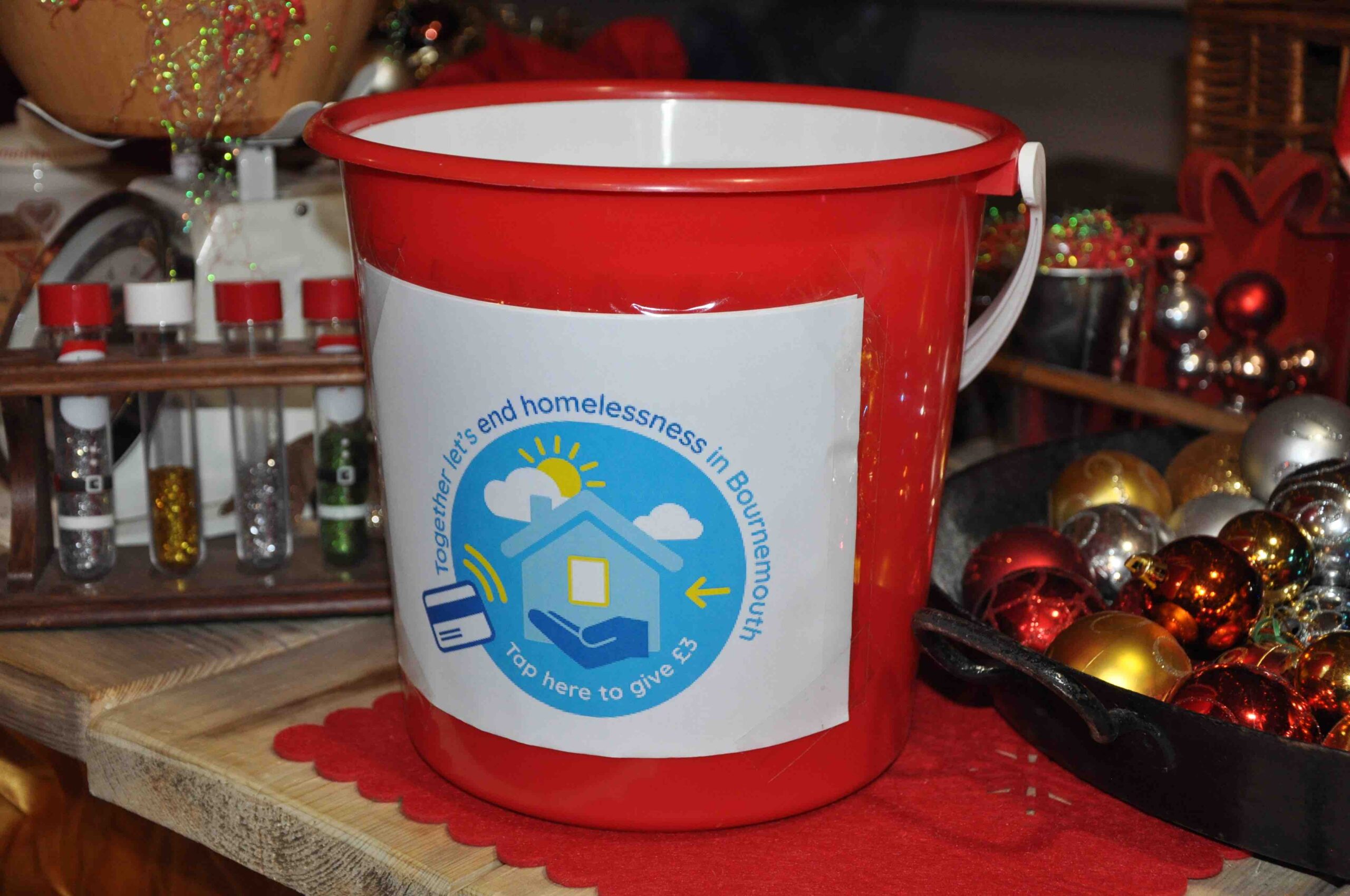
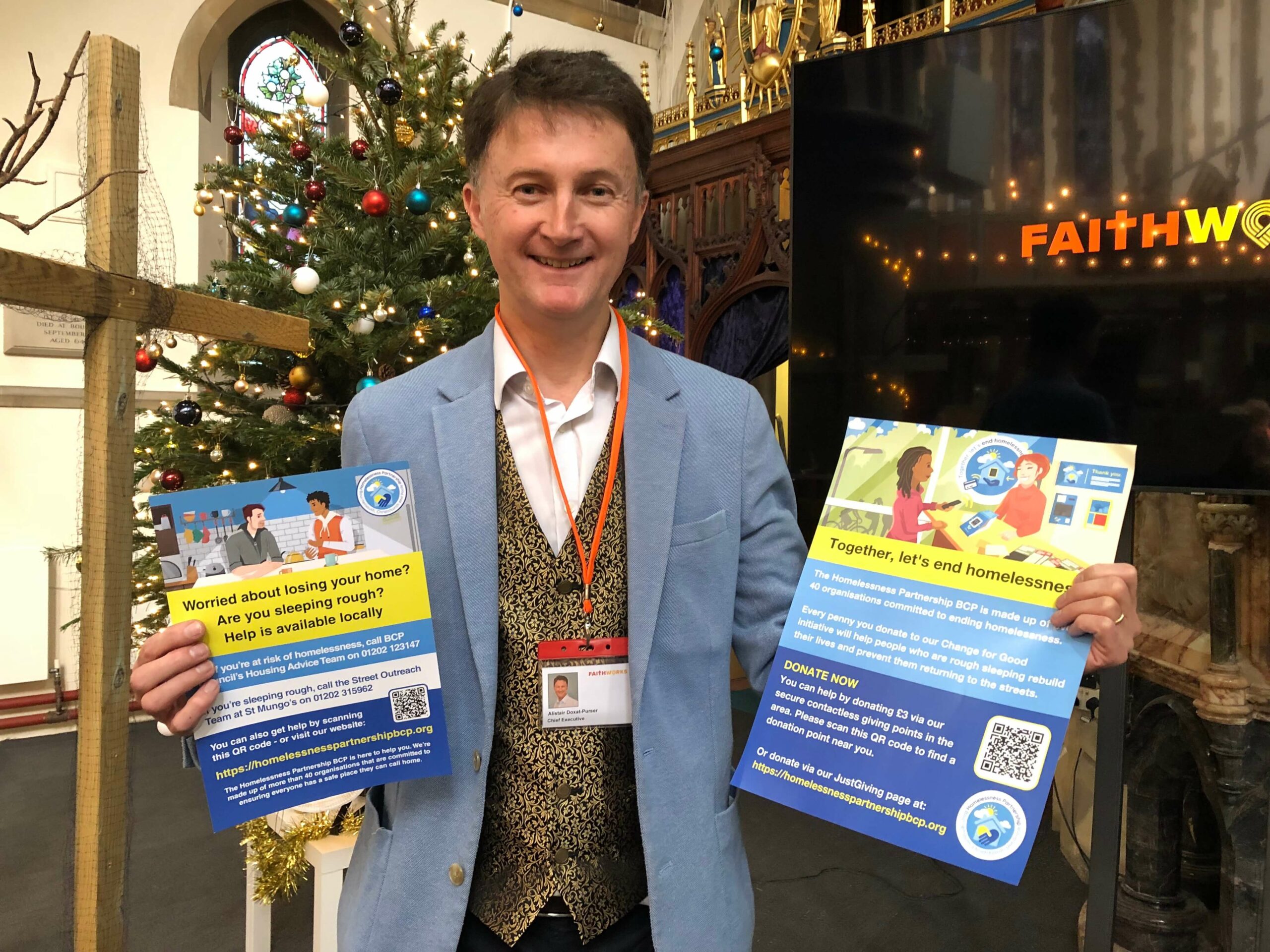
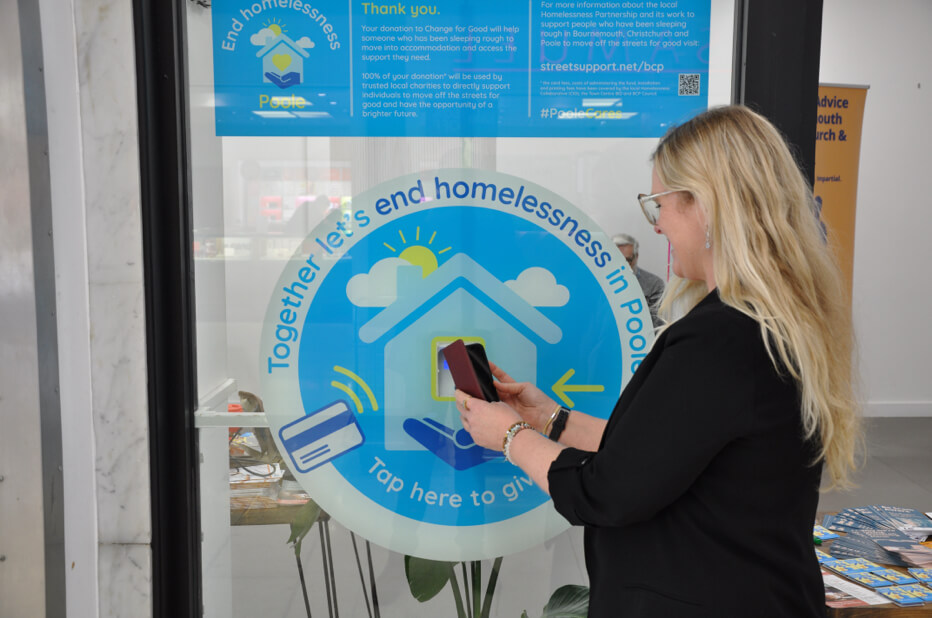
If you are keen to help, we would encourage you to donate directly to charities and support services that help people experiencing homelessness, via our Change for Good appeal. Simply click the donate button at the bottom of this page.

What’s the difference between rough sleeping and begging?2026-05-14T10:40:11+01:00

Begging and rough sleeping are two distinct issues and need to be seen and treated in different ways.

Not everyone who is rough sleeping will go out and beg, while those who beg are not necessarily without accommodation.

Just as there are a multitude of reasons why someone may end up without a home, there are many complex reasons why someone might beg. Some people may not have access to benefits or a wage.

For others, it could be that they have somewhere indoors to sleep but need money to pay for other things. However, not having a fixed address does not stop individuals applying for and receiving benefits.

What are the different forms of homelessness?2026-05-14T10:41:22+01:00

While rough sleeping is the most harmful and visible form of homelessness, it forms approximately 10% of all forms of homelessness. The issue is much wider and often unseen.

Homelessness can affect individuals, couples and families who live in B&Bs, temporary accommodation, hostels, sofa surfing with family or friends, or in other unsuitable conditions.

What are the primary causes of homelessness in the BCP area?2024-02-10T15:27:32+00:00

Homelessness is a broad-term and covers anyone without a secure tenancy and includes people sleeping on the streets, those sofa surfing, in emergency / temporary or supported housing/accommodation and those at risk of homelessness. This can be individuals, couples and families.

The root causes of homelessness are numerous, but the primary factor is relationship breakdown in all forms. This could be with family, partner, spouse or friends. It could be driven by financial issues and debt, or loss of a work relationship due to redundancy or health.

It may be the loss of a safe place to live, with people fleeing abuse, crime, violence or the breakdown of relationships with an accommodation provider, landlord, supported housing provider, friends or family that a person is staying with.

It may be the result of leaving an institution such as the armed forces, hospital, prison or young people leaving care without the support required or suitable accommodation being in place.

Sadly, mental health, physical health and substance misuse are big drivers of homelessness. In BCP those who rough sleep, and are most effected by homelessness, are young to middle aged men, with mental health challenges and/or substance misuse issues. The highest concentration of individuals are seen in Bournemouth, often around the Town Centre.

Go to Top